March 12, 2026
Your feet carry you through thousands of steps every day, yet they are often one of the most overlooked parts of the body when it comes to health and wellness. Whether you’re standing for long hours at work, participating in sports, or simply walking through your daily routine, your feet endure constant pressure and wear.
Unfortunately, this strain can lead to a variety of foot problems that cause discomfort, limit mobility, and impact overall quality of life. The good news is that many common foot conditions can be prevented or managed with proper care, awareness, and timely visits to a podiatrist's office. Understanding the most frequent foot issues — and how to avoid them — can help you stay active, comfortable, and pain-free.
Recognizing the Causes of Plantar Fasciitis
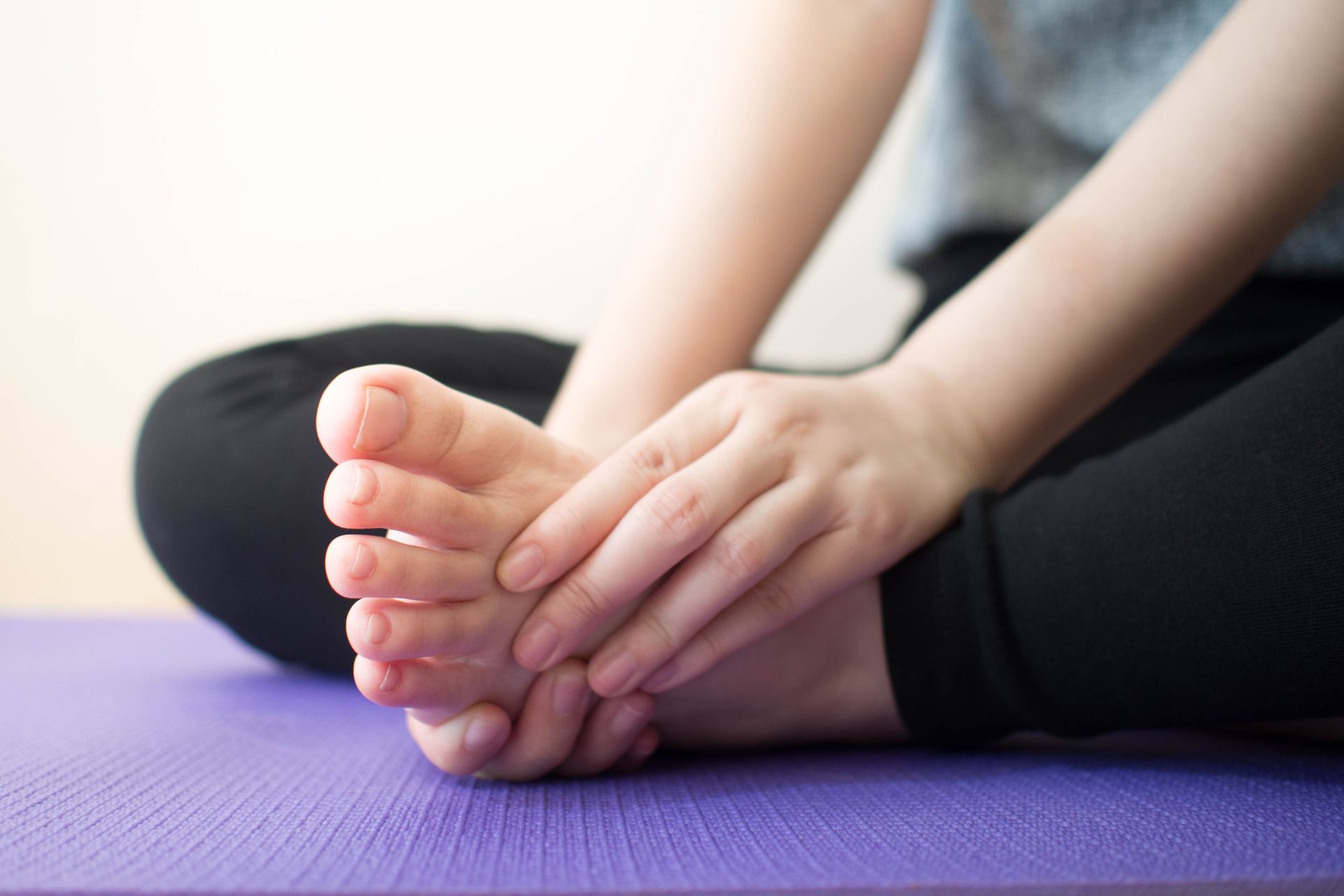
One of the most common sources of heel pain is plantar fasciitis, a condition that occurs when the plantar fascia ligament becomes inflamed. This thick band of tissue runs along the bottom of your foot and connects your heel bone to your toes. People with plantar fasciitis often experience sharp pain near the heel, especially during the first steps in the morning or after long periods of rest. The condition can develop due to overuse, improper footwear, excessive standing, or tight calf muscles.
Preventing plantar fasciitis starts with wearing supportive shoes that provide proper arch support and cushioning. Stretching exercises for the calves and feet can also reduce tension in the plantar fascia. If heel pain persists, visiting a podiatrist's office can help identify the underlying cause and provide targeted treatment options.
Preventing the Development of Bunions
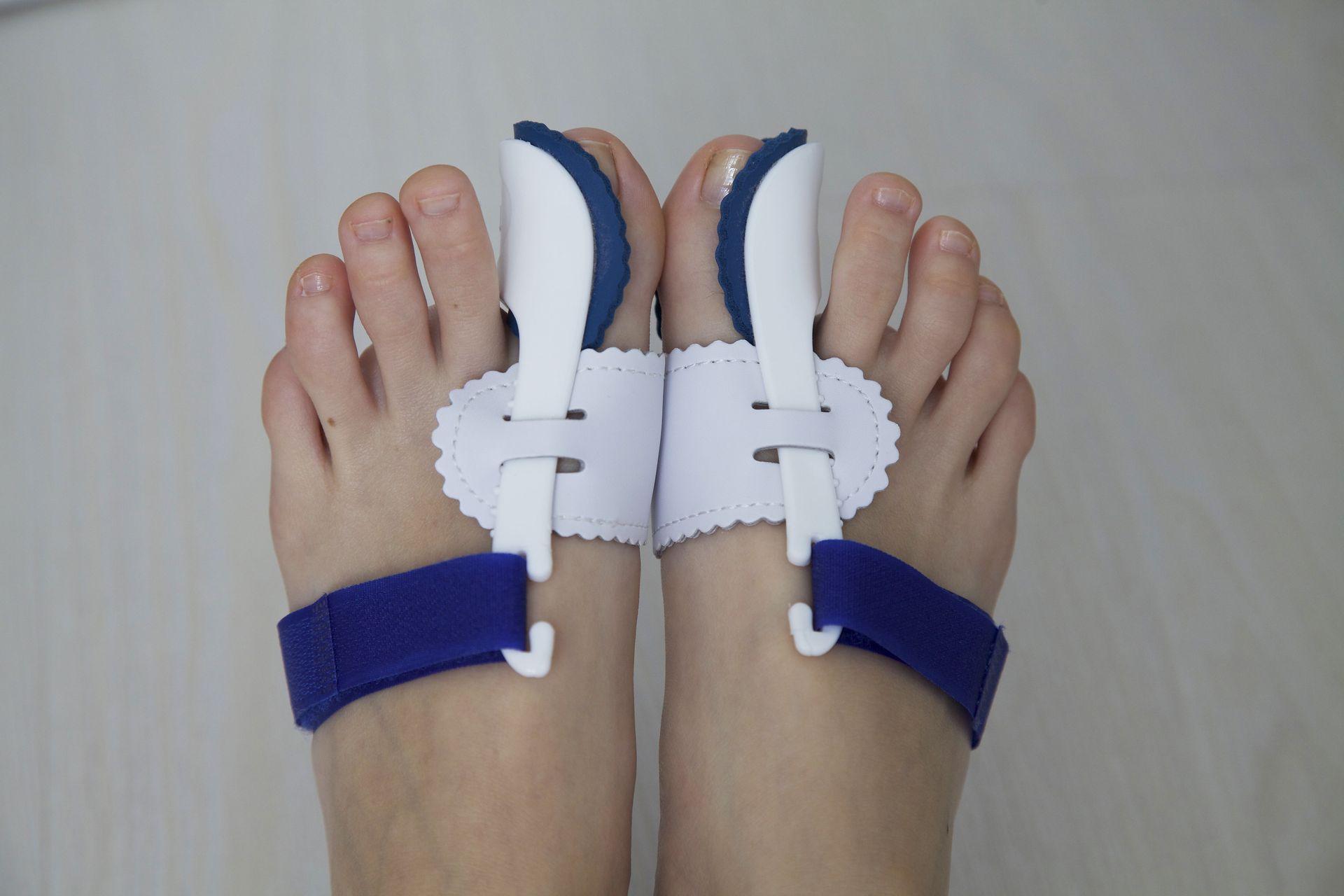
Bunions are another common foot condition that can cause significant discomfort. A bunion forms when the big toe joint becomes misaligned, causing the toe to lean toward the other toes. Over time, this misalignment creates a visible bump on the side of the foot. While genetics often play a role in bunion development, footwear choices can worsen the condition. Tight, narrow shoes that squeeze the toes together place additional pressure on the joint, accelerating the deformity.
To reduce the risk of bunions, choose shoes with a wide toe box that allows your toes to spread naturally. Avoid high heels and overly narrow footwear whenever possible. If you notice early signs of a bunion, seeking advice from a podiatrist can help slow progression and relieve discomfort through conservative treatment methods.
Reducing the Risk of Ingrown Toenails
Ingrown toenails occur when the edge of a toenail grows into the surrounding skin, causing redness, swelling, and pain. In more severe cases, the area may become infected. Improper nail trimming is one of the most common causes of this condition. Cutting nails too short or rounding the edges can encourage the nail to grow inward rather than straight out.
Preventing ingrown toenails involves trimming your nails straight across and avoiding overly tight footwear that puts pressure on your toes. Maintaining good foot hygiene and keeping nails at a moderate length also helps reduce risk. If an ingrown toenail becomes painful or infected, visiting a podiatrist's office ensures the problem is treated safely and effectively, preventing complications.
Managing the Occurrence of Athlete’s Foot
Athlete’s foot is a fungal infection that typically affects the skin between the toes. It thrives in warm, moist environments such as locker rooms, public showers, and sweaty shoes. Symptoms often include itching, redness, peeling skin, and sometimes a burning sensation. While the condition is common, it can spread easily if not addressed promptly.
Preventing athlete’s foot requires maintaining good foot hygiene. Wash and dry your feet thoroughly each day, especially between the toes. Wear breathable socks and shoes, and avoid walking barefoot in public areas like gyms or pools. If symptoms persist despite over-the-counter treatments, a podiatrist's office can provide stronger antifungal medications and guidance to prevent recurrence.
Avoiding the Formation of Corns and Calluses
Corns and calluses develop as a natural response to repeated friction or pressure on the skin. While they are not usually dangerous, they can become painful if they grow thick or occur in sensitive areas of the foot. Corns typically form on the tops or sides of toes, while calluses often appear on the soles of the feet. Ill-fitting shoes, abnormal walking patterns, and certain foot deformities can contribute to their development.
Preventing corns and calluses begins with wearing properly fitted footwear that minimizes pressure points. Using protective padding or insoles can also help distribute weight more evenly across the foot. When corns or calluses become painful, a podiatrist can safely remove the thickened skin and recommend long-term solutions to prevent recurrence.
Addressing the Symptoms of Flat Feet
Flat feet occur when the arches of the feet collapse or fail to develop properly, causing the entire sole to touch the ground when standing. While some individuals experience no symptoms, others may develop pain in the feet, ankles, or lower legs. Flat feet can contribute to issues such as overpronation, which affects how the body distributes weight while walking. This imbalance may lead to discomfort in the knees, hips, or back over time.
Preventing complications associated with flat feet often involves wearing supportive footwear and using custom orthotics to improve alignment. Visiting a podiatrist's office can help determine whether orthotic support or other treatments are necessary for maintaining proper foot mechanics.
Understanding the Importance of Professional Foot Care
Foot health is a specialized field of medicine that requires extensive education and training. According to the US Bureau of Labor Statistics, podiatrists are required to earn a Doctor of Podiatric Medicine (DPM) degree, which involves four years of education, followed by a three-year residency program.
This rigorous training equips podiatrists with the knowledge needed to diagnose and treat a wide range of foot and ankle conditions. From minor skin concerns to complex structural issues, a qualified specialist can provide the care necessary to maintain long-term mobility and comfort. Regular checkups at a podiatrist's office allow professionals to identify early warning signs of problems before they become severe.
Practicing Daily Habits That Support Foot Health
Preventing common foot problems often comes down to daily habits. Taking a proactive approach to foot care can significantly reduce your risk of developing painful conditions. Start by choosing supportive shoes that fit properly and provide adequate cushioning. Replace worn-out footwear regularly to maintain proper support. Keeping your feet clean and dry helps prevent fungal infections, while moisturizing can prevent cracked skin.
Stretching exercises for the feet and calves improve flexibility and reduce strain during physical activity. Additionally, maintaining a healthy weight can reduce pressure on the feet and lower the risk of chronic pain. If you experience persistent discomfort or notice changes in your feet, scheduling an appointment at a podiatrist's office allows for early intervention and personalized treatment.
Recognizing When to Seek Professional Help
While many minor foot issues can be managed at home, certain symptoms should never be ignored. Persistent pain, swelling, numbness, or visible deformities may indicate underlying conditions that require professional evaluation.
Individuals with diabetes or circulation problems should be especially vigilant about foot care, as even small injuries can lead to serious complications. Routine visits to a podiatrist's office can help monitor foot health and prevent long-term damage. Seeking professional care early often leads to simpler treatments and faster recovery, helping you maintain an active lifestyle without unnecessary discomfort.
Taking the First Step Toward Healthier Feet
Your feet play a vital role in your daily life, supporting movement, balance, and overall mobility. By understanding the most common foot problems and adopting preventive habits, you can significantly reduce your risk of pain and injury.
However, when issues arise, expert care makes all the difference. A reliable podiatrist's office can diagnose conditions accurately, recommend effective treatments, and guide you toward long-term foot health. If you’re experiencing foot pain or want to take a proactive approach to prevention, contact Premier Foot & Ankle today. Their experienced team at a dedicated podiatrist office can provide personalized care to keep your feet healthy, comfortable, and ready for every step ahead.