May 26, 2026
Understanding the importance of choosing the right footwear is crucial for maintaining a healthy and active lifestyle. In the world of fitness and daily movement, your shoes act as the foundation for every stride, jump, and pivot. The wrong choice can lead to more than just a few blisters; it can cause structural issues that resonate through your ankles, knees, and lower back. Conversely, the right shoes can enhance performance, prevent debilitating injuries, and provide unparalleled comfort during various activities.
This article explores the key factors to consider when selecting the perfect pair of shoes for your needs. By considering your personal anatomical requirements and the specific demands of your chosen sport, you can find footwear that offers optimal support. Whether you are a marathon runner or a weekend hiker, let's delve into the details of choosing the best footwear for your active lifestyle.
1. Understanding Your Foot Type and Anatomy
Your arch type plays a significant role in determining the kind of support you need. There are three main types: low (flat feet), normal, and high arches. Each type requires different levels of stability to prevent discomfort. Identifying your arch type can be done through a simple "wet test"-stepping on a piece of paper with a wet foot, or by consulting specialized podiatrists.
Flat feet often require shoes with "motion control" features to prevent the foot from collapsing inward. High arches, however, usually need extra cushioning to absorb the shock that the rigid arch cannot. Properly supporting your specific arch type is a foundational step for long-term foot health and can prevent issues like plantar fasciitis.
Pronation refers to the natural inward roll of the foot during walking or running. While some movement is necessary for shock absorption, excessive overpronation or supination (rolling outward) can lead to shin splints and knee pain. Understanding your gait is essential for selecting shoes that provide the right level of correction.
If you notice uneven wear on the soles of your old shoes, it may be time to visit a podiatrist for a gait analysis. They can determine if you need a "stability" shoe or a "neutral" shoe. Properly addressing pronation issues enhances comfort and performance, ensuring your joints are not taking unnecessary stress.
Many people wear shoes that are simply the wrong size. Feet can change size due to age, weight fluctuations, or even pregnancy. It is vital to measure both the length and width, and it is best to do so at the end of the day when your feet are at their largest. According to the American Podiatric Medical Association, running shoes should be replaced after 600 to 800 miles of running or walking, or every 6 to 8 months.
This guideline emphasizes that even the best-fitting shoe loses its structural integrity over time. A well-fitted shoe should provide a "thumb's width" of space in the toe box while securing the heel firmly without slipping.
2. Seeing a Specialist for Common Foot Conditions
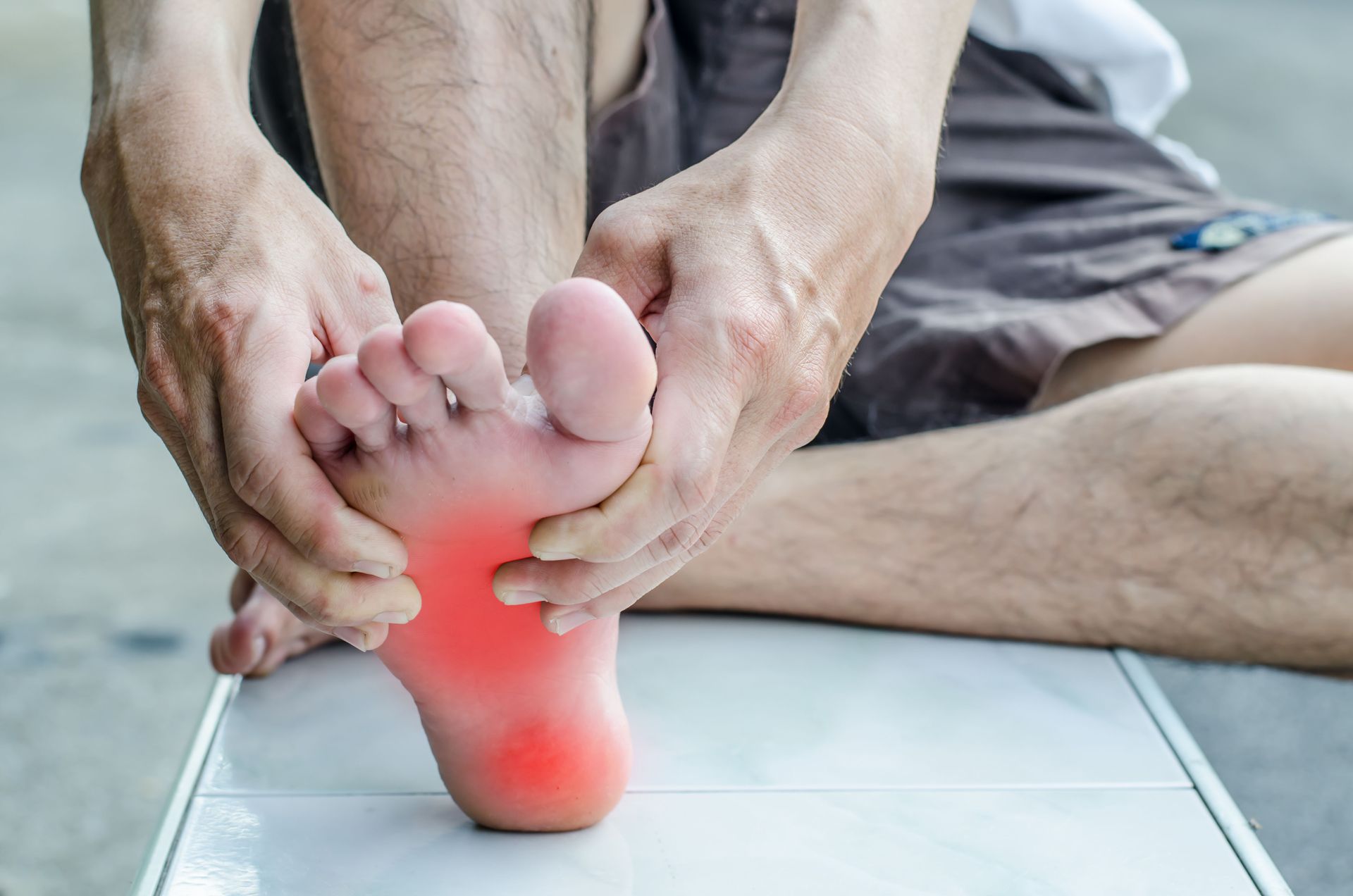
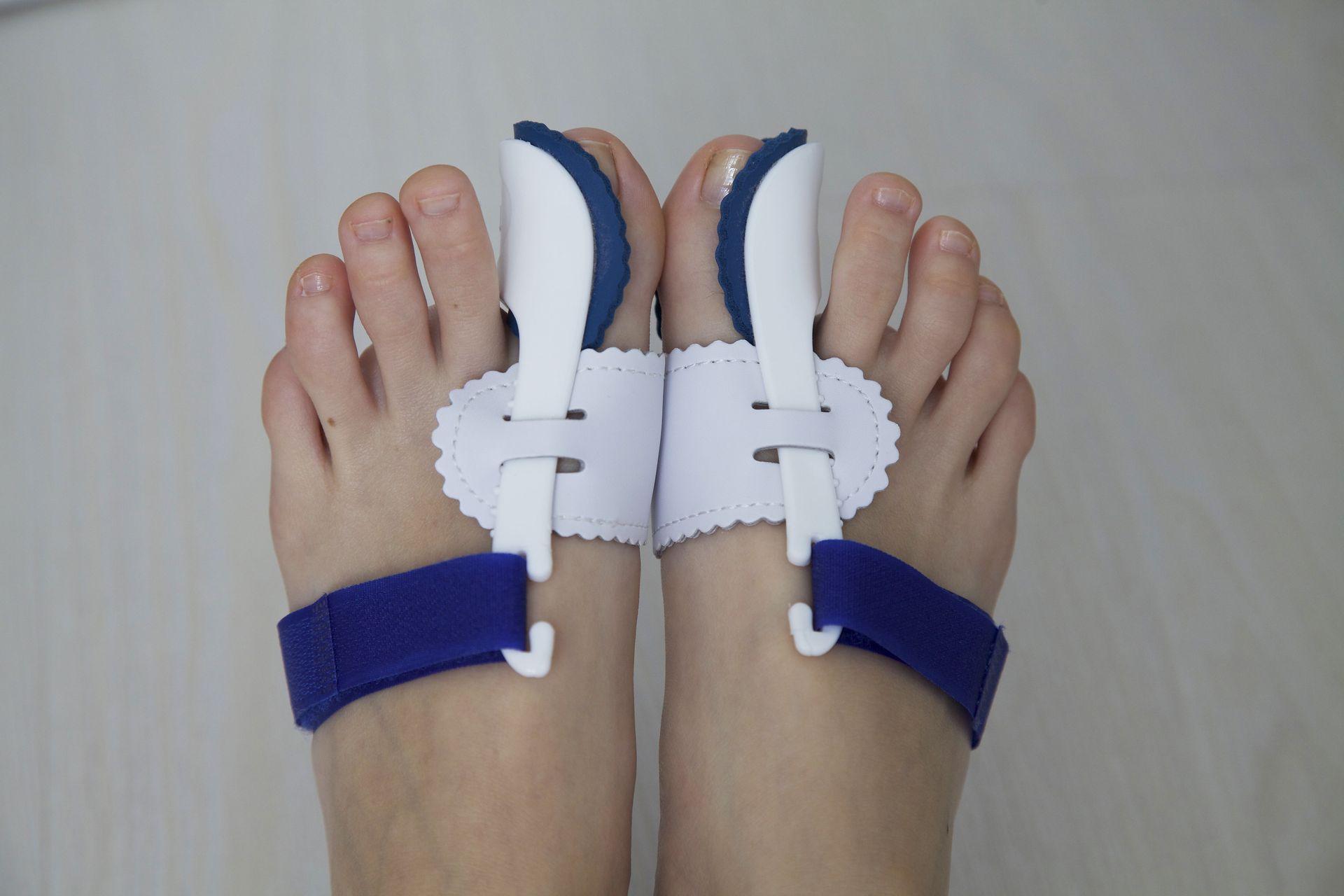
Existing foot conditions can drastically impact your footwear needs. For individuals with bunions, shoes with a soft, wide toe box are essential to prevent painful irritation. Those suffering from the sharp heel pain of plantar fasciitis require shoes with rigid midfoot support and superior heel cushioning. Ignoring these symptoms can lead to chronic inflammation.
For those with persistent pain or structural abnormalities, the expertise of podiatrists is invaluable. They can assess your biomechanics and prescribe custom orthotics that fit inside your shoes, providing a level of customization that off-the-shelf products cannot match. Regular check-ups with podiatrists ensure that your footwear is helping, rather than hindering, your mobility.
3. Matching Shoes to Your Activity
Running shoes are engineered for forward motion and high-impact shock absorption. They contain more cushioning in the heel and forefoot to manage the force of several times your body weight. Walking shoes, however, are designed with more flexibility through the ball of the foot to allow for the natural rolling motion of a walking stride. Using a walking shoe for running- or vice versa- can lead to improper support and injury.
Training shoes are built for lateral (side-to-side) stability, making them ideal for gym workouts, aerobics, or weightlifting. If you participate in specific sports like basketball or tennis, you should invest in specialty shoes. These are often designed by podiatrists and engineers to handle the unique stresses of those sports, such as high-top collars for ankle support or specific traction patterns for court surfaces.
For those who prefer the trails, hiking boots offer the traction and durability needed for uneven terrain. Unlike standard sneakers, hiking footwear features stiff outsoles to protect your feet from sharp rocks and high-cut uppers to prevent ankle rolls. Many outdoor enthusiasts consult with podiatrists before major treks to ensure their boots are broken in correctly and provide enough support for heavy packs.
4. Choosing Material and Construction
The materials used in your shoes affect both comfort and hygiene. Breathable mesh fabrics allow air to circulate, which keeps your feet cool and reduces the risk of fungal infections. For those who exercise in wet conditions, waterproof materials like Gore-Tex provide a barrier against the elements while still allowing some moisture vapor to escape.
The outsole (the bottom of the shoe) should be made of durable rubber with a tread pattern suitable for your activity. The midsole, usually made of foam or gel, is where the "magic" of shock absorption happens. Over time, this foam compresses and loses its "bounce." Even if the outside of the shoe looks new, podiatrists warn that the internal cushioning may have failed, necessitating a replacement.
5. Evaluating Fit
You should never buy athletic shoes based on looks alone. It is crucial to try them on with the socks you intend to wear for that activity. Walk or jog around the store to feel for any "hot spots" or areas of friction. If a shoe feels tight or uncomfortable in the store, do not assume it will "break in" later; modern athletic shoes should feel supportive and comfortable immediately.
Beyond the mileage rule mentioned earlier, look for physical signs of wear. If the heel counter feels flimsy, the tread is smooth, or you begin to feel new aches in your shins or hips, your shoes have likely reached the end of their life. Many podiatrists recommend rotating between two different pairs of shoes to allow the foam in each to fully decompress between workouts, which can extend the life of your footwear.
Selecting the right shoes is an investment in your long-term health and mobility. By understanding your foot type, choosing shoes specific to your activity, and paying attention to the signs of wear, you can stay active and pain-free for years to come. Remember that your feet are the base of your entire skeletal system; when they are supported correctly, your whole body benefits.
Don't let foot pain sideline your goals or keep you from the activities you love. If you are dealing with persistent discomfort, it is time for professional insight. The team at Premier Foot & Ankle is dedicated to helping you find orthotics to ease your foot pain. Our expert
podiatrists are ready to analyze your gait, address underlying conditions, and get you back on your feet with confidence. Contact us today to schedule your consultation!