July 29, 2026
Staying active supports your heart, muscles, balance, mood, and independence, but every movement you make begins with your feet. When foot or ankle discomfort develops, even simple routines such as walking the dog, climbing stairs, shopping, or exercising can become frustrating. Problems that seem minor at first may gradually change the way you stand or move, placing additional stress on your knees, hips, or back. Working with a podiatrist can help you understand the source of discomfort, address it early, and protect your mobility through every stage of life.
Supporting Healthy Movement in Childhood
Children are constantly growing, running, jumping, and testing their physical limits. During these years, parents may notice concerns such as frequent tripping, unusual shoe wear, heel pain, flat feet, or toes that point inward or outward. Some variations are part of normal development, while others may benefit from closer evaluation. A podiatrist can examine a child’s gait, foot structure, muscle balance, and range of motion to determine whether treatment, monitoring, or simple footwear changes may be helpful.
Early support can also make sports and playground activities more comfortable. Young athletes may experience heel irritation, ankle sprains, ingrown toenails, or overuse injuries as training intensity increases. Prompt care can reduce pain, guide a safe return to activity, and help families understand how to prevent the same issue from returning. Stretching routines, activity modifications, supportive shoes, and custom devices may all be considered based on the child’s needs and the demands of the activity.
Building Strong Habits in the Teen Years
Teenagers often balance school, sports, work, and social activities, which can place significant pressure on their feet. Rapid growth may temporarily affect coordination and flexibility, while practices, games, dance classes, or long shifts on hard floors can contribute to soreness. A foot and ankle specialist can identify whether pain is linked to an injury, biomechanics, training errors, or footwear that no longer fits properly. Addressing these factors can help teens remain involved in the activities they enjoy without ignoring warning signs.
This is also an ideal time to build lifelong foot-care habits. Teens can learn to trim nails correctly, keep feet clean and dry, rotate athletic shoes, replace worn footwear, and avoid sharing shoes or towels in locker rooms. They should also understand that persistent pain is not a normal part of being active. Seeking care early may prevent a manageable concern from becoming a longer-lasting problem that disrupts a sports season, affects school attendance, or changes normal movement patterns.
Protecting Performance in Early Adulthood
In early adulthood, people may pursue demanding workouts, recreational sports, physically active careers, or busy family routines. These commitments can lead to repetitive stress, especially when activity levels increase too quickly. Common concerns include plantar heel pain, tendon irritation, stress injuries, painful calluses, and recurring ankle instability. A podiatrist can evaluate how your feet function during movement and recommend a plan that supports both recovery and continued participation whenever possible.
Treatment may include targeted stretching, strengthening, temporary activity changes, padding, bracing, orthotics, or guidance on selecting shoes for a specific sport or occupation. The goal is not only to calm the current symptoms but also to address contributing factors. For example, limited ankle flexibility, worn-out shoes, weak stabilizing muscles, or an abrupt increase in mileage may all raise injury risk. Correcting these issues can make exercise feel more efficient and help protect your body as your goals become more ambitious.
Maintaining Mobility in Midlife
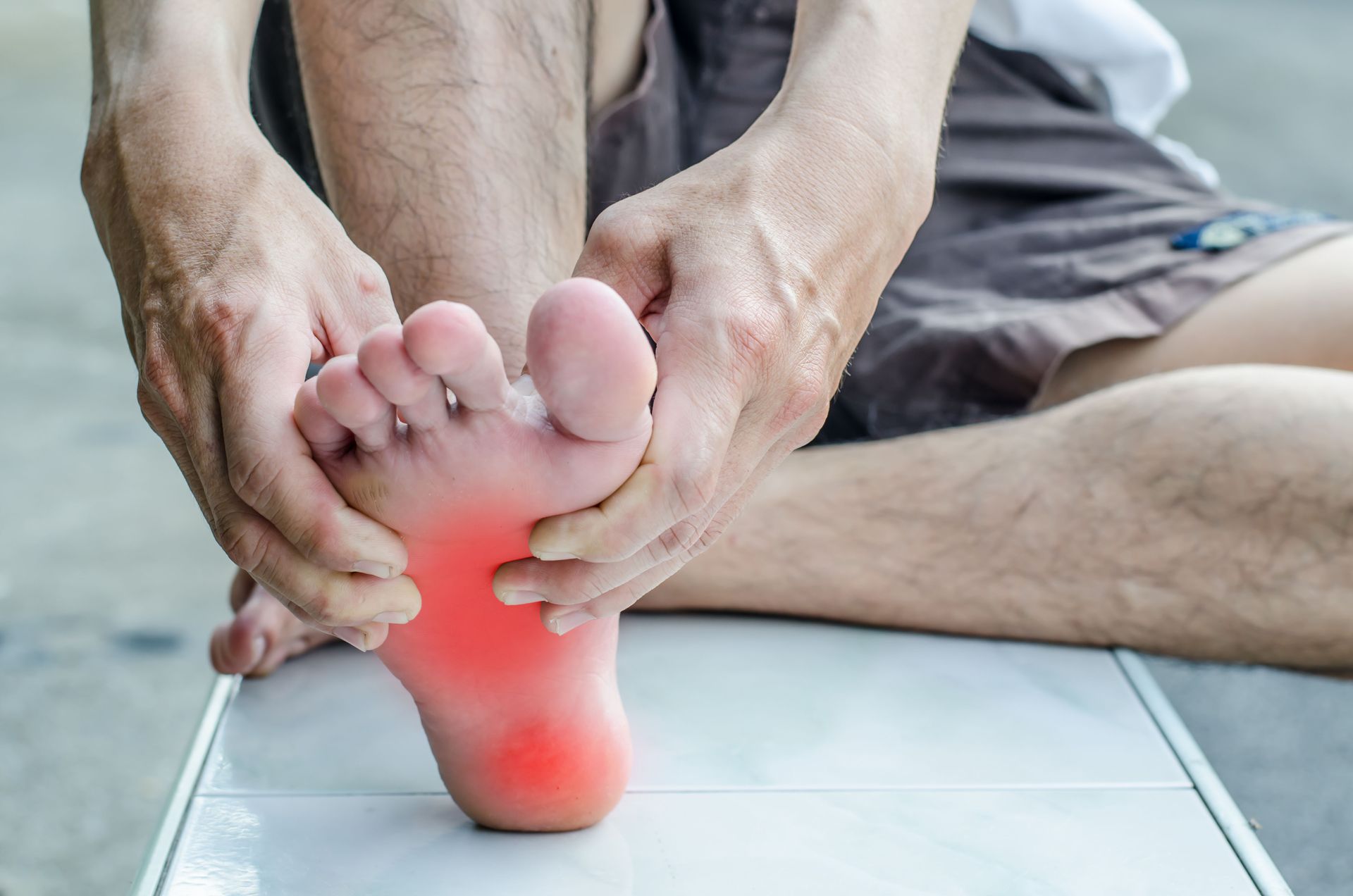
During midlife, years of work, exercise, caregiving, and daily responsibilities can begin to reveal patterns of wear and strain. Bunions, arthritis, heel pain, hammertoes, and tendon problems may become more noticeable, particularly after long periods of standing or walking. According to Today's Podiatrist, 60% of Americans who experienced heel pain within the past year reported that it interfered with their ability to carry out everyday activities. That connection highlights how quickly foot discomfort can affect much more than a workout routine.
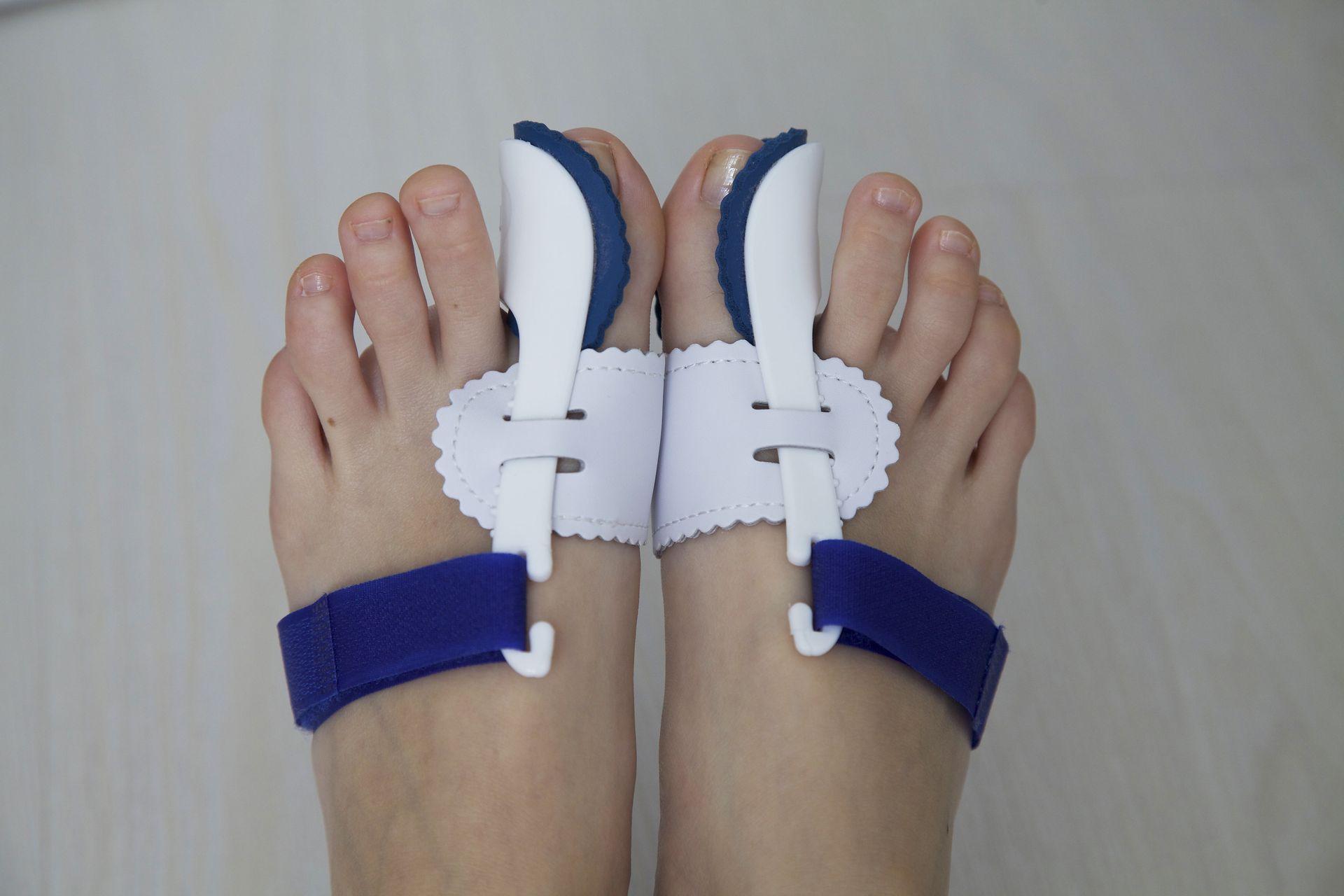
A foot and ankle specialist can help adults find practical ways to remain active while managing structural changes or chronic conditions. Conservative options may include shoe modifications, custom orthotics, anti-inflammatory strategies, exercises, or changes to high-impact activities. Switching temporarily to cycling, swimming, or other lower-impact movement may preserve fitness while irritated tissues recover. When care is personalized, adults can often continue working, traveling, exercising, and participating in family life with greater confidence and less discomfort.
Managing Health Changes in Later Adulthood
As people get older, changes in circulation, skin thickness, joint mobility, sensation, and balance can make routine foot care more important. Nails may become harder to trim, skin may become drier, and small pressure points may develop into painful corns or wounds. Medical conditions such as diabetes, arthritis, or vascular disease may also affect healing and sensation. Regular visits with a podiatrist can help identify changes early and reduce the chance that a minor issue will interfere with safe movement.
Professional care may include nail and callus management, skin evaluations, circulation checks, footwear recommendations, and monitoring for areas of excess pressure. These services can be especially valuable for people who have difficulty seeing or reaching their feet. By reducing pain and preventing complications, consistent care can support walking, balance exercises, gardening, community activities, and other forms of movement that help preserve strength and independence.
Preventing Injuries Through Every Decade
Prevention is useful at any age because many foot and ankle problems develop gradually. Paying attention to early signs such as swelling, tenderness, numbness, repeated blisters, stiffness, or changes in gait can lead to faster treatment. A qualified foot and ankle specialist can assess risk factors before they cause a major interruption, especially for people beginning a new exercise program, returning after a break, or preparing for a physically demanding event.
Simple preventive habits also make a meaningful difference. Choose shoes that match the activity, provide enough room for the toes, and feel comfortable from the start. Increase exercise intensity gradually, warm up before demanding movement, and allow time for recovery. Replace shoes when cushioning or tread has broken down, and avoid pushing through sharp or persistent pain. These habits help reduce unnecessary stress and create a more reliable foundation for long-term activity while supporting comfort, consistency, and confidence in daily movement.
Creating a Personalized Plan for Lifelong Activity
No two people move in exactly the same way, and the right solution depends on your health, anatomy, lifestyle, and goals. Someone training for a race may need a different plan than someone who wants to walk comfortably through a grocery store or keep up with grandchildren. A podiatrist can combine a physical examination, movement assessment, medical history, and imaging when needed to develop recommendations that fit your specific situation.
A personalized plan may also evolve over time. Your footwear needs, activity level, health conditions, and recovery capacity can change from one decade to the next. Periodic evaluations can help you adapt before discomfort limits your routine. By treating current problems and planning for future demands, foot and ankle care can become an important part of maintaining strength, confidence, and independence throughout life.
Remaining active at every age requires more than motivation; it requires a stable, comfortable foundation. Paying attention to foot and ankle health can help you move with less pain, recover more effectively, and continue participating in the activities that matter most. Whether you are concerned about a child’s development, a sports injury, chronic heel pain, or age-related changes, a podiatrist can provide personalized care to help keep you moving safely and comfortably. Take the next step toward lasting mobility and contact Premier Foot & Ankle.