September 28, 2026
Waking up with sharp, stabbing discomfort in your heel can transform basic morning routines into painful ordeals. The thick band of tissue running along the bottom of your foot, responsible for supporting your arch and absorbing shock during daily movement, endures massive pressure throughout life. When micro-tears develop within this tissue strap, inflammation takes hold, creating persistent discomfort that worsens after periods of rest or prolonged standing. Seeking professional care and exploring targeted therapeutic interventions remains essential for stopping tissue degradation, easing discomfort, and restoring normal mobility.
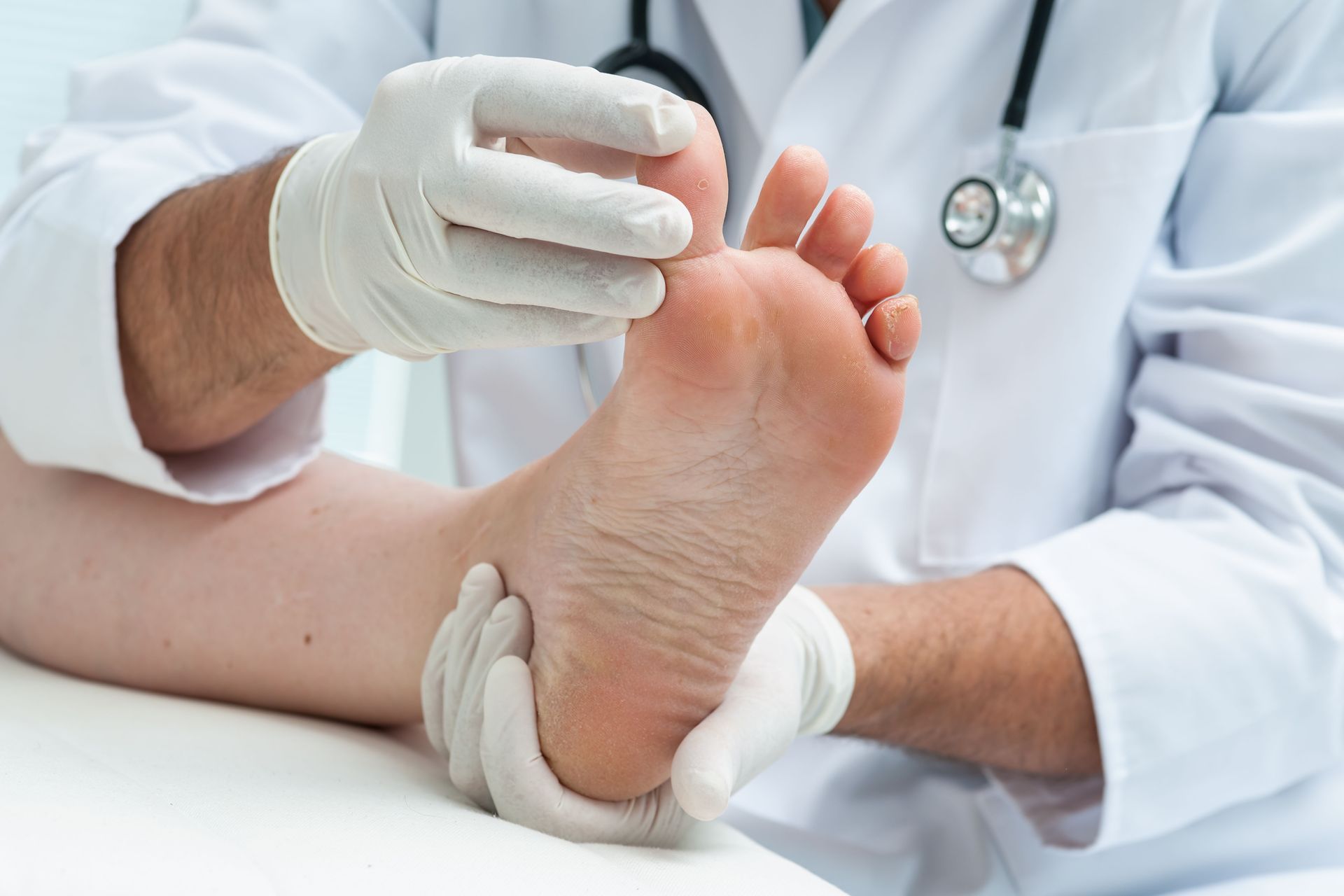
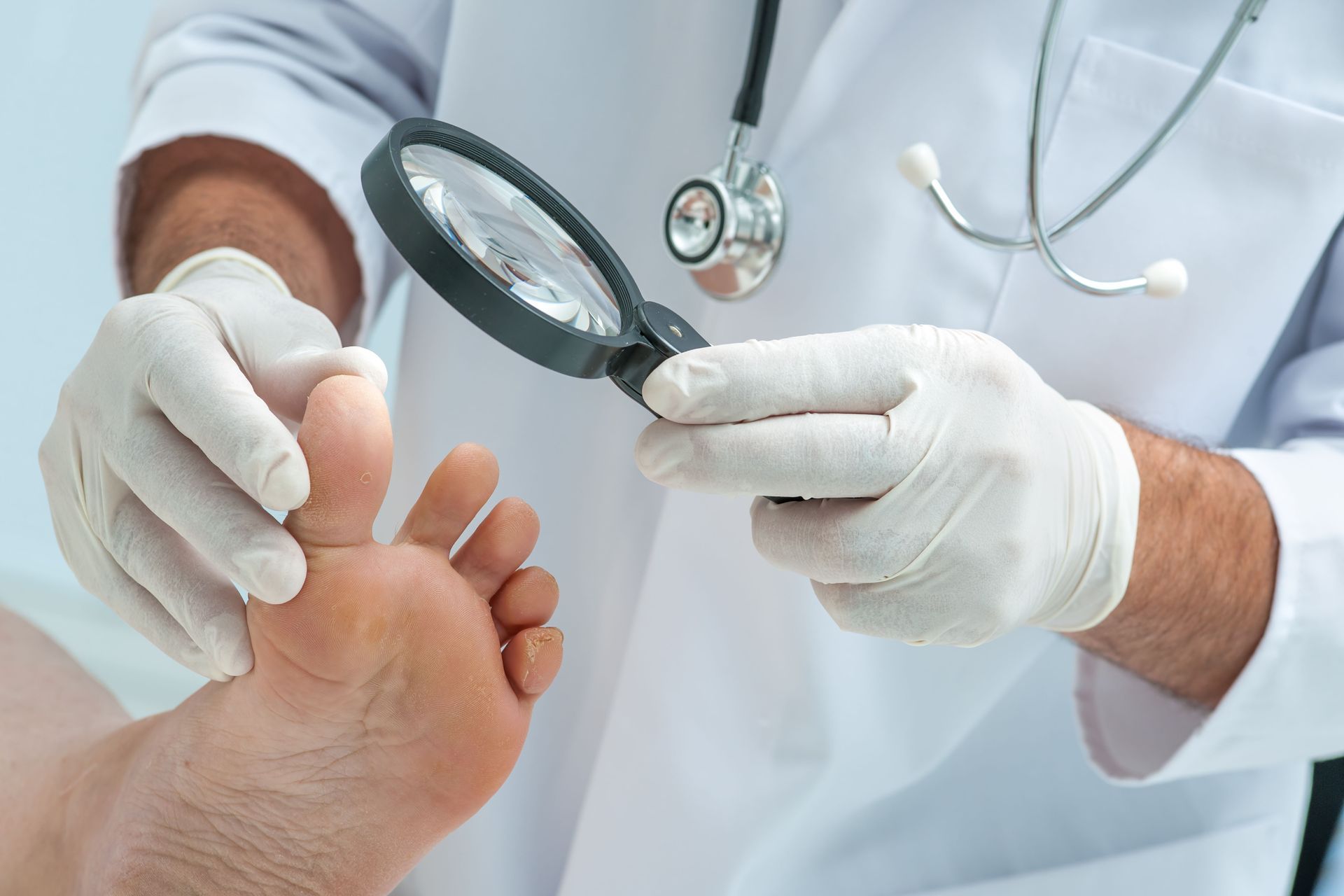
Understanding how heel inflammation develops helps individuals recognize early symptoms before chronic structural issues set in. Activities involving repetitive stress, sudden increases in physical training, unsupportive footwear, or abnormal foot mechanics can strain the thick lower arch band. Over time, unaddressed irritation alters your natural gait, placing unnatural strain on knees, hips, and lower back structures. Scheduling a comprehensive evaluation at a specialized podiatrist office allows trained medical professionals to assess structural alignment, identify root causes of arch strain, and craft personalized recovery plans.
Understanding Conservative Rest and Activity Modifications
Managing early tissue irritation begins with modifying physical routines and reducing high-impact activities that aggravate lower foot structures. Substituting high-impact exercises like running or jump rope with low-impact alternatives such as swimming or cycling reduces mechanical strain while maintaining cardiovascular health. Giving inflamed arch tissue sufficient time to rest prevents recurring micro-tears and establishes a healthy baseline for subsequent therapeutic treatments.
Additionally, applying ice packs to affected heel areas after daily movement calms local inflammation and numbs sharp nerve sensations. Rolling the arch over a frozen water bottle offers double benefits by combining targeted cold therapy with gentle tissue massage. When conservative home adjustments are supervised through regular visits to a local podiatrist office, patients receive expert guidance on balancing active recovery with necessary rest, preventing chronic stiffness from settling into the arch.
Utilizing Specialized Orthotics and Arch Support
Wearing worn-out or unsupportive shoes with flat insoles often exacerbates arch strain by forcing the foot to overpronate during daily steps. Over-the-counter arch inserts and custom-molded orthotic devices redistribute body weight evenly across the entire sole, taking direct physical pressure off vulnerable heel attachment points. Custom orthotics are constructed to match your unique foot contours, offering structural stabilization that controls abnormal foot motion and reduces continuous tissue pull.
In addition to custom insoles, supportive indoor footwear should replace walking barefoot on hard tile or hardwood floors. Barefoot walking forces the inflamed arch band to flatten completely under full body weight, stretching microscopic tears and delaying recovery. Visiting a professional podiatrist office allows foot specialists to analyze your biomechanics using digital pressure sensors and prescribe medical-grade orthotics that provide continuous protection with every step you take.
Engaging in Targeted Physical Therapy Exercises
Strengthening supporting leg muscles and lengthening tight connective tissue remains a cornerstone of long-term heel recovery. Tight calf muscles and stiff Achilles tendons place continuous upward tension on the lower arch strap, making the tissue far more susceptible to painful tears. Dedicated stretching routines that target calf muscles, toes, and lower leg tendons reduce structural tension and improve overall foot flexibility.
Performing daily stretches, such as gently pulling the toes back toward the shin or leaning against a wall with extended legs, promotes blood circulation and speeds tissue repair. Foot strengthening exercises, including scrunches using small towels or picking up marbles with toes, build intrinsic arch muscles that support overall stability. According to the Washington Post, two million Americans need treatment for heel-related issues due to plantar fasciitis each year. Guided exercise programs supervised by experts ensure that stretching routines are executed safely without risking secondary tendon injuries.
Implementing Advanced Night Splint Therapies
Experiencing intense heel stiffness during first morning steps occurs because the lower arch band naturally contracts and tightens in a relaxed position while sleeping. When you step out of bed, body weight suddenly forces the contracted tissue to stretch rapidly, re-tearing healing fibers and causing sharp pain. Utilizing specialized night splints holds the ankle and foot in a neutral position overnight, maintaining a gentle continuous stretch throughout sleep.
By preventing overnight contraction, night splints allow microscopic tissue tears to heal in an elongated position rather than a shortened state. Patients using night splints consistently report noticeable reductions in morning heel stiffness, allowing them to step out of bed with significantly greater comfort. Foot specialists at a modern podiatrist office evaluate foot flexibility to recommend appropriate splint styles, ensuring proper fit and maximum therapeutic benefit without disrupting sleep quality.
Applying Regenerative Injections and Advanced Therapies
When conservative remedies, stretching, and custom orthotics fail to deliver adequate relief, advanced clinical procedures offer powerful therapeutic alternatives. Corticosteroid injections deliver potent localized anti-inflammatory medication directly to the inflamed heel attachment, providing fast relief from debilitating discomfort. However, injection therapies are carefully managed to avoid weakening the structural integrity of the arch tissue over extended periods.
Modern clinical practices also utilize regenerative medicine options, such as platelet-rich plasma therapy and extracellular shockwave therapy. Shockwave treatments direct high-energy sound waves toward chronic heel tissue, stimulating microcirculation, breaking down scar tissue, and triggering natural healing responses within stubborn non-healing lesions. Exploring these advanced options during consultations at a trusted podiatrist office gives patients access to cutting-edge non-surgical treatments that accelerate tissue repair.
Considering Surgical Interventions for Chronic Conditions
While the vast majority of heel inflammation cases resolve through conservative or non-invasive clinical therapies, severe chronic cases may occasionally require surgical consideration. When debilitating discomfort persists over extended periods despite rigorous non-surgical treatment, surgical partial release of the tight lower tissue strap can eliminate continuous structural tension. Modern surgical techniques utilize minimally invasive procedures that require smaller incisions, resulting in shorter recovery times and less post-operative discomfort.
Surgical intervention remains a final option reserved strictly for stubborn cases that severely restrict daily mobility and quality of life. Pre-operative evaluations include comprehensive diagnostic imaging, such as ultrasound scanning or magnetic resonance imaging, to confirm structural diagnosis and rule out alternative causes of heel discomfort. Consulting experienced surgeons at a reputable podiatry office guarantees that all conservative avenues are fully explored before deciding if surgical release represents the best path toward long-term mobility.
Overcoming persistent heel discomfort demands patience, consistent daily care, and specialized medical guidance tailored to your specific biomechanical needs. Ignoring early warning signs or delaying professional evaluation can turn temporary tissue irritation into chronic structural degradation that impacts overall knee, hip, and spinal alignment. Adopting proactive treatment strategies, incorporating supportive footwear, and sticking to targeted stretching routines allows you to eliminate lower foot pain and regain active, healthy living.
At Premier Foot & Ankle, we are deeply committed to restoring your mobility, relieving chronic foot discomfort, and providing comprehensive medical care for every patient we serve. Our experienced team of foot and ankle specialists brings deep clinical expertise, state-of-the-art diagnostic technology, and personalized treatment plans to every consultation. We take immense pride in carefully evaluating your unique musculoskeletal needs, identifying root causes of tissue strain, and crafting non-invasive therapies that accelerate healing, prevent recurring injury, and protect your long-term independence. Whether you are dealing with sharp morning heel pain, arch soreness, or persistent stiffness, our compassionate medical staff guides you through every step of recovery with clear guidance and supportive follow-up care. Contact us today to schedule your comprehensive evaluation and discover how our specialized podiatric care can help you walk comfortably again.